


Topkapi Palace Harem: History, Rooms & Visitor Guide
The Topkapi Palace Harem is one of the most fascinating and visited sections of Topkapi Palace. Hidden behind the palace's public courtyards and ceremonial buildings, it offers a glimpse into the private world of the Ottoman dynasty and the people who lived within the imperial residence.
Today, visitors can explore a network of historic chambers, halls, courtyards, and passageways while learning about the traditions, hierarchy, and daily life of the Ottoman court. The Harem is also home to some of the palace's finest examples of Ottoman architecture, decorative arts, and İznik tilework.
What Is the Topkapi Palace Harem?
The Topkapi Palace Harem was the private living area of the Ottoman Sultan and his household. While the outer sections of Topkapi Palace were used for government administration, ceremonies, and official affairs, the Harem was reserved for members of the imperial family and selected palace staff.
The word "harem" comes from an Arabic term meaning "forbidden" or "private," reflecting the restricted nature of these quarters. Access was tightly controlled, and only specific individuals were permitted to enter.
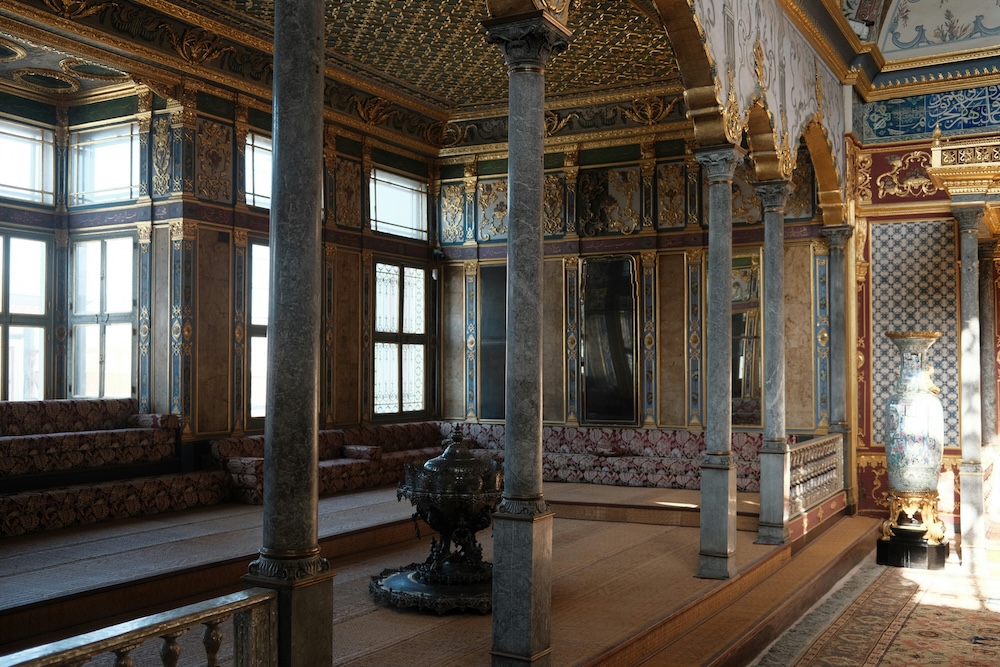
At its height, the Harem housed hundreds of residents, including:
Over time, the Harem expanded into a complex of more than 300 rooms and chambers connected by courtyards, corridors, staircases, and private passageways. A section of these spaces survives today and can be visited as part of the Topkapi Palace museum.
Quick Facts About the Topkapi Palace Harem
History of the Topkapi Palace Harem
The Topkapi Palace Harem developed over several centuries and evolved alongside the Ottoman Empire. Originally separate from the palace's administrative areas, it became the private residence of the Sultan and his household. Through successive expansions, the Harem grew into a complex of residential quarters, ceremonial spaces, courtyards, and service areas that played an important role in palace life.
The Harem Moves to Topkapi Palace
The Harem became part of Topkapi Palace during the sixteenth century, particularly under Sultan Suleiman the Magnificent. As the imperial household moved from the Old Palace to Topkapi Palace, new apartments and living quarters were constructed. This change brought the Sultan's family closer to the political center of the Ottoman Empire.
Expansion During the Ottoman Golden Age
The Harem expanded significantly during the sixteenth and seventeenth centuries. New courtyards, reception halls, baths, and private apartments were added to accommodate a growing royal household. Many of the richly decorated interiors visible today date from this period, when the Ottoman Empire was at the height of its power.
Life Within the Harem
The Harem functioned as a highly organized community rather than simply a private residence. It was home to the Sultan, the Valide Sultan (Queen Mother), royal consorts, princes, princesses, attendants, and eunuchs. Daily life was governed by strict rules, hierarchy, education, and palace traditions.
The Harem in the Nineteenth Century
In 1856, Sultan Abdülmecid I moved the imperial court to Dolmabahçe Palace. As a result, the Topkapi Palace Harem ceased to function as the primary residence of the Ottoman dynasty. However, the complex remained an important part of the palace and preserved centuries of imperial history.
The Topkapi Palace Harem Today
Today, the Topkapi Palace Harem is one of the most visited areas of the palace museum. Visitors can explore its historic chambers, courtyards, halls, and apartments while learning about the daily lives of the Ottoman royal family and the people who lived within its walls.
What's Inside the Topkapi Palace Harem?
The Topkapi Palace Harem originally consisted of numerous courtyards, apartments, halls, baths, and passageways that served the Ottoman royal family and their household. Today, visitors can access only selected sections of the complex, while many rooms and areas remain closed to the public.
Among the most significant sections of the Harem are:
NEWLY OPENED AREAS OF THE TOPKAPI PALACE HAREM
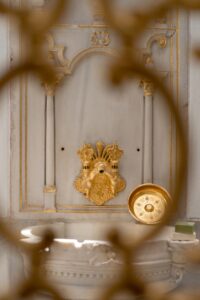
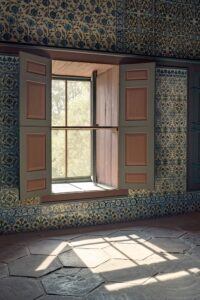
In recent years, restoration work has opened additional sections of the Topkapi Palace Harem that were previously inaccessible to visitors. These newly accessible spaces offer a deeper look into daily life within the Ottoman imperial household.
Recently opened areas include apartments linked to the Sultan’s consorts, dormitories used by concubines, and service quarters that supported the Harem’s administration. Together, they provide valuable insight into the hierarchy and operation of one of the palace’s most private domains.
Open daily from 9 a.m. to 5:30 p.m., except Tuesdays, when the palace is closed.
IS THE HAREM INCLUDED IN THE TOPKAPI PALACE TICKET?

Access to the Topkapi Palace Harem is generally not included with a standard palace admission ticket. Visitors typically need either a separate Harem ticket or a combined ticket that specifically includes Harem entry. Since ticket types and admission policies may change over time, it is always advisable to check current inclusions before booking.
Top Bestseller Topkapi Palace Ticket with Harem
Skip the ticket lines and discover the highlights of Topkapi Palace and its legendary Harem on a 90-minute guided tour led by an English-speaking guide. + more details
Top Bestseller Topkapi Palace Ticket without Harem
Save time with guided entry and skip-the-ticket-line access to Topkapi Palace. After a smooth entry with a licensed guide, explore the palace independently using a multilingual audio guide on your smartphone. + more details
Best Istanbul Combo Guided Tours including Topkapi Palace
Explore Istanbul’s most iconic landmarks on a comprehensive 6-hour guided tour. Visit Topkapi Palace and its legendary Harem, then continue to Hagia Sophia and the Blue Mosque with an expert guide. Skip the ticket purchase lines and uncover the fascinating Ottoman and Byzantine history behind these must-see sights. + more details
Save time and simplify your Istanbul sightseeing with one flexible ticket covering three iconic attractions. Skip the ticket lines at Topkapi Palace, Hagia Sophia, and the Basilica Cistern, explore with multilingual audio guides, and use your ticket over 3 days. + more details
Best Value Combo Tickets for Topkapi Palace
Discover two of Istanbul's highlights with this value-packed combo. Enjoy skip-the-line entry to Topkapi Palace, including access to the legendary Harem and a multilingual audio guide, before setting off on a scenic 90-minute Bosphorus cruise. + more details
Explore two of Istanbul's most iconic landmarks with one value-packed combo, featuring skip-the-line access to Topkapi Palace and the Basilica Cistern, multilingual audio guides, and helpful digital city guides. + more details
Save time with one convenient combo ticket to Topkapi Palace and Hagia Sophia, including skip-the-line access, multilingual audio guides, and helpful digital city guides. + more details
Frequently Asked Questions (FAQ) About Topkapi Palace Harem
Is the Harem in Topkapi Palace worth it?
Yes, the Harem is worth visiting for those interested in Ottoman history, royal life, and palace architecture. Unlike the public courtyards and administrative buildings, the Harem provides access to the private world of the Ottoman dynasty. Visitors can explore royal apartments, ceremonial halls, baths, and beautifully decorated chambers featuring some of the finest İznik tilework and interior decoration within Topkapi Palace.
What is the Harem of Topkapi Palace?
The Topkapi Palace Harem was the private residential quarter of the Ottoman Sultan and his household. It housed the Sultan, the Queen Mother, royal consorts, princes, princesses, attendants, and eunuchs responsible for administration and security. Over time, it developed into a large complex of courtyards, apartments, halls, baths, and passageways that functioned as a self-contained community within the palace.
How much does it cost to go to Topkapi Palace Harem?
The cost of visiting the Topkapi Palace Harem depends on the ticket type you purchase. In most cases, Harem access requires either a separate ticket or a combined ticket that specifically includes entry to both Topkapi Palace and the Harem. Since admission policies and prices may change, visitors should check the latest ticket information before their visit.
→ Explore the available Topkapi Palace & Harem entry options.
Can you visit the Topkapi Palace Harem without a guide?
Yes, visitors can explore the Topkapi Palace Harem without a guide. Most visitors choose to tour the Harem independently, while others prefer an audio guide or guided tour for additional historical context. Self-guided visits allow visitors to move at their own pace and spend more time in the sections that interest them most.
How long does it take to visit the Topkapi Palace Harem?
Most visitors spend between 45 minutes and 90 minutes exploring the Topkapi Palace Harem. Those who prefer a quicker visit may focus on the main chambers and courtyards, while visitors interested in Ottoman history, architecture, and decorative details often spend longer examining the various rooms, halls, and exhibitions.
Can you take photos inside the Topkapi Palace Harem?
Yes, photography is generally permitted in many parts of the Topkapi Palace Harem. However, restrictions may apply in certain rooms or exhibition areas, and flash photography may not be allowed. Visitors should always follow posted signs and instructions from museum staff regarding photography during their visit.
Who lived in the Topkapi Palace Harem?
The Topkapi Palace Harem was home to the Sultan and members of the imperial household. Residents included the Valide Sultan (Queen Mother), royal consorts, princes, princesses, female attendants, and eunuchs who managed security and administration. At its height, the Harem housed hundreds of people and played an important role in both palace life and the wider Ottoman court.