


Topkapi Palace Inside: What to See During Your Visit
Learn about the Treasures, Collections, History & More
Topkapi Palace is far more than a single building. For nearly 400 years, it served as the administrative and residential center of the Ottoman Empire, housing sultans, royal families, officials, and palace staff. Today, visitors can explore a vast complex of courtyards, ceremonial halls, gardens, imperial collections, sacred relics, and royal treasures.
From the Imperial Harem and Treasury to the palace kitchens, libraries, and scenic terraces, each area reveals a different aspect of Ottoman life and power. Visitors exploring Topkapi Palace inside can discover centuries of history, culture, and imperial tradition.
What Is Inside Topkapi Palace?
The interior of Topkapi Palace is divided into several major sections, each serving a specific purpose during the Ottoman era. Rather than being designed as a single building, the palace evolved over centuries into a vast complex of pavilions, halls, courtyards, gardens, and exhibition spaces.
Exploring Topkapi Palace inside reveals how different areas of the complex were used for administration, royal life, religious ceremonies, and the display of imperial wealth. Some sections served as government offices, while others functioned as private residences, treasury rooms, libraries, and sacred spaces.
The main highlights inside Topkapi Palace include:
Together, these attractions create one of the most impressive palace museums in the world.
Highlights of Topkapi Palace
Step inside Topkapi Palace to explore the spaces that once formed the heart of the Ottoman Empire. From the private chambers of the Imperial Harem to the dazzling Treasury, sacred relics, grand courtyards, and scenic terraces, each section reveals a different aspect of palace life, power, culture, and tradition.
Imperial Harem
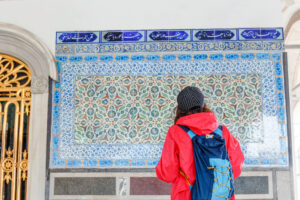
The Imperial Harem was the private residence of the Ottoman Sultan and his family. Consisting of hundreds of rooms, courtyards, and passageways, it includes the apartments of the Queen Mother, the Imperial Hall, and the Sultan's private chambers. Richly decorated with İznik tiles and ornate interiors, the Harem offers a fascinating glimpse into the daily life of the Ottoman court.
Courtyards
The courtyards form the heart of Topkapi Palace and connect its major buildings and collections. Visitors pass through the First, Second, Third, and Fourth Courtyards, each serving a different purpose within the Ottoman hierarchy. Key landmarks include the Imperial Gate, Gate of Salutation, Gate of Felicity, the Tower of Justice, ceremonial spaces, gardens, and important administrative buildings.
Imperial Treasury
The Imperial Treasury displays some of the Ottoman Empire's most valuable possessions. Its collection includes jeweled thrones, ceremonial weapons, royal jewelry, gold artifacts, and diplomatic gifts from foreign rulers. The Treasury is also home to two of the palace's most famous treasures: the Spoonmaker's Diamond and the emerald-studded Topkapi Dagger, both renowned for their craftsmanship and historical significance.
Sacred Relics
The Sacred Relics section houses one of the most important collections in the Islamic world. Visitors can view relics associated with Prophet Muhammad, historic manuscripts, sacred banners, and other religious artifacts preserved by the Ottoman sultans. Located within the Third Courtyard, this section remains one of the most visited and spiritually significant areas inside Topkapi Palace.
Palace Kitchens
The Palace Kitchens once prepared meals for thousands of palace residents, officials, and guests. Today, they display an exceptional collection of Chinese porcelain, Ottoman ceramics, silverware, and royal dining objects. Stretching along the Second Courtyard, the kitchens provide insight into the scale and organization required to support life at the center of the Ottoman Empire.
Library of Ahmed III
Located in the Third Courtyard, the Library of Ahmed III is one of the finest examples of Ottoman architecture within the palace complex. Built in the early eighteenth century, it reflects the empire's commitment to scholarship and learning. Visitors can admire its elegant design, decorative calligraphy, and historic setting among the palace's most important buildings.
→ Learn more about the history of the Topkapi Palace library
Gardens and Terraces
The gardens and terraces of Topkapi Palace offer some of Istanbul's most spectacular views. Located primarily in the Fourth Courtyard, they include the Baghdad Pavilion, Revan Pavilion, Circumcision Room, Iftar Pavilion, and scenic terraces overlooking the Bosphorus, Golden Horn, and Sea of Marmara. These peaceful spaces provide a striking contrast to the palace's ceremonial and residential areas.
Topkapi Palace Inside: What Should You Not Miss?
While every part of the palace offers something unique, first-time visitors should make sure not to miss the Imperial Harem, the Imperial Treasury, and the Sacred Relics collection. The courtyards provide valuable insight into the organization of the Ottoman court, while the Library of Ahmed III showcases the empire's artistic and intellectual achievements.
Before leaving, take time to explore the gardens and terraces, which offer some of the finest views of the Bosphorus and Istanbul's historic peninsula.
HOW MUCH TIME DO YOU NEED AT TOPKAPI PALACE?

Most visitors spend between 3 and 5 hours exploring Topkapi Palace inside, though the exact time depends on individual interests and pace. To fully experience the Harem, Imperial Treasury, Sacred Relics, courtyards, kitchens, and gardens, it is best to allow at least half a day.
History enthusiasts and visitors interested in Ottoman culture, architecture, and museum collections may wish to spend even longer exploring the palace's many exhibits, historic buildings, and scenic viewpoints.
IS TOPKAPI PALACE WORTH VISITING?
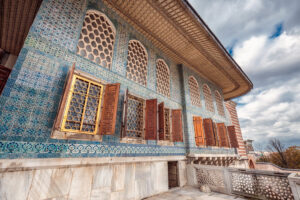
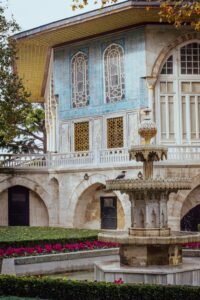
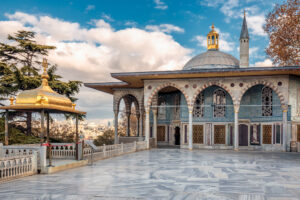
Yes, Topkapi Palace is worth visiting for its unique combination of history, architecture, and cultural significance. Once the seat of Ottoman power, the palace allows visitors to explore imperial courtyards, richly decorated chambers, sacred relics, and remarkable collections that reveal how the sultans lived and governed. Its hilltop location also offers beautiful views of the Bosphorus and the Golden Horn, adding to the overall experience.
Top Bestseller Topkapi Palace Ticket with Harem
Skip the ticket lines and discover the highlights of Topkapi Palace and its legendary Harem on a 90-minute guided tour led by an English-speaking guide. + more details
Top Bestseller Topkapi Palace Ticket without Harem
Save time with guided entry and skip-the-ticket-line access to Topkapi Palace. After a smooth entry with a licensed guide, explore the palace independently using a multilingual audio guide on your smartphone. + more details
Best Istanbul Combo Guided Tours including Topkapi Palace
Explore Istanbul’s most iconic landmarks on a comprehensive 6-hour guided tour. Visit Topkapi Palace and its legendary Harem, then continue to Hagia Sophia and the Blue Mosque with an expert guide. Skip the ticket purchase lines and uncover the fascinating Ottoman and Byzantine history behind these must-see sights. + more details
Save time and simplify your Istanbul sightseeing with one flexible ticket covering three iconic attractions. Skip the ticket lines at Topkapi Palace, Hagia Sophia, and the Basilica Cistern, explore with multilingual audio guides, and use your ticket over 3 days. + more details
Best Value Combo Tickets for Topkapi Palace
Discover two of Istanbul's highlights with this value-packed combo. Enjoy skip-the-line entry to Topkapi Palace, including access to the legendary Harem and a multilingual audio guide, before setting off on a scenic 90-minute Bosphorus cruise. + more details
Explore two of Istanbul's most iconic landmarks with one value-packed combo, featuring skip-the-line access to Topkapi Palace and the Basilica Cistern, multilingual audio guides, and helpful digital city guides. + more details
Save time with one convenient combo ticket to Topkapi Palace and Hagia Sophia, including skip-the-line access, multilingual audio guides, and helpful digital city guides. + more details
Frequently Asked Questions (FAQ) - Topkapi Palace Inside
Can you go inside Topkapi Palace?
Yes, visitors can go inside Topkapi Palace. The palace operates as a museum and allows access to its courtyards, exhibition halls, Treasury, Sacred Relics section, kitchens, gardens, and other historic buildings. The Imperial Harem is located within the palace complex and can also be visited. Access to specific areas may vary depending on restoration work, temporary closures, or operational requirements on the day of your visit.
Is it worth going inside Topkapi Palace?
Yes, going inside Topkapi Palace is worthwhile for visitors interested in Ottoman history, architecture, and culture. The palace contains royal residences, administrative chambers, religious collections, imperial treasures, and extensive museum exhibits spread across a large historic complex. Unlike many former royal residences, visitors can explore a wide variety of original buildings and spaces that played an important role in the administration of the Ottoman Empire.
What is inside the Topkapi Palace?
Topkapi Palace contains several major sections, including the Imperial Harem, Imperial Treasury, Sacred Relics collection, Palace Kitchens, Library of Ahmed III, courtyards, gardens, pavilions, and terraces.
Visitors can also see famous artifacts such as the Spoonmaker's Diamond and the Topkapi Dagger. Together, these attractions provide insight into the political, religious, and residential functions of the Ottoman court.
Can you take pictures inside Topkapi Palace?
Yes, photography is generally permitted in many areas of Topkapi Palace. However, photography may be restricted in certain exhibition rooms, treasury displays, or temporary exhibitions. Flash photography, tripods, and professional equipment may also be subject to additional restrictions. Visitors should always follow posted signs and instructions from museum staff when taking photographs inside the palace complex.
How long does it take to see inside Topkapi Palace?
Most visitors spend between three and five hours exploring Topkapi Palace. A shorter visit focusing on the main highlights may take around two to three hours, while visitors who wish to explore the Harem, Treasury, Sacred Relics, courtyards, kitchens, and gardens in detail should allow at least half a day. The palace complex is extensive and contains numerous buildings, exhibitions, and outdoor spaces.
What is the most famous thing inside Topkapi Palace?
The most famous attractions inside Topkapi Palace are the Imperial Harem, the Sacred Relics collection, and the Imperial Treasury. Within the Treasury, the Spoonmaker's Diamond and the Topkapi Dagger are among the palace's most recognized artifacts. Many visitors also consider the Gate of Felicity, the Tower of Justice, and the Bosphorus-view terraces among the most notable features of the complex.
Is the Harem included in Topkapi Palace?
The Harem is located inside Topkapi Palace, but access is generally subject to a separate admission or ticket option. This section served as the private residence of the Sultan and the imperial family and is one of the palace's most visited areas. Visitors planning to explore the Harem should check current ticket inclusions before their visit, as admission policies may change over time.
→ Explore available admission options for Topkapi Palace and the Harem.